SYSTEMS
Operational systems with clear responsibilities.
LSG Labs builds tools around the point where information, people and operational decisions need to meet. Each component has a defined job and a visible boundary.
01 — DOCUMENTS
Bring document evidence into a usable workflow.
Documents are more than files to store. A useful system makes their contents searchable, links them to the relevant record and keeps a path back to the original source when someone needs to check it.
Documents are usually stored apart from the work that needs them. A useful system makes their relevant information available at the moment a product, order or operational decision is being handled, without severing the link to the original source.
This reduces repeated searching and copy-and-paste work while preserving the context needed to challenge an extracted value. The objective is a dependable working surface, not an opaque document-processing layer.

02 — RECOGNITION
Support identification with more than one signal.
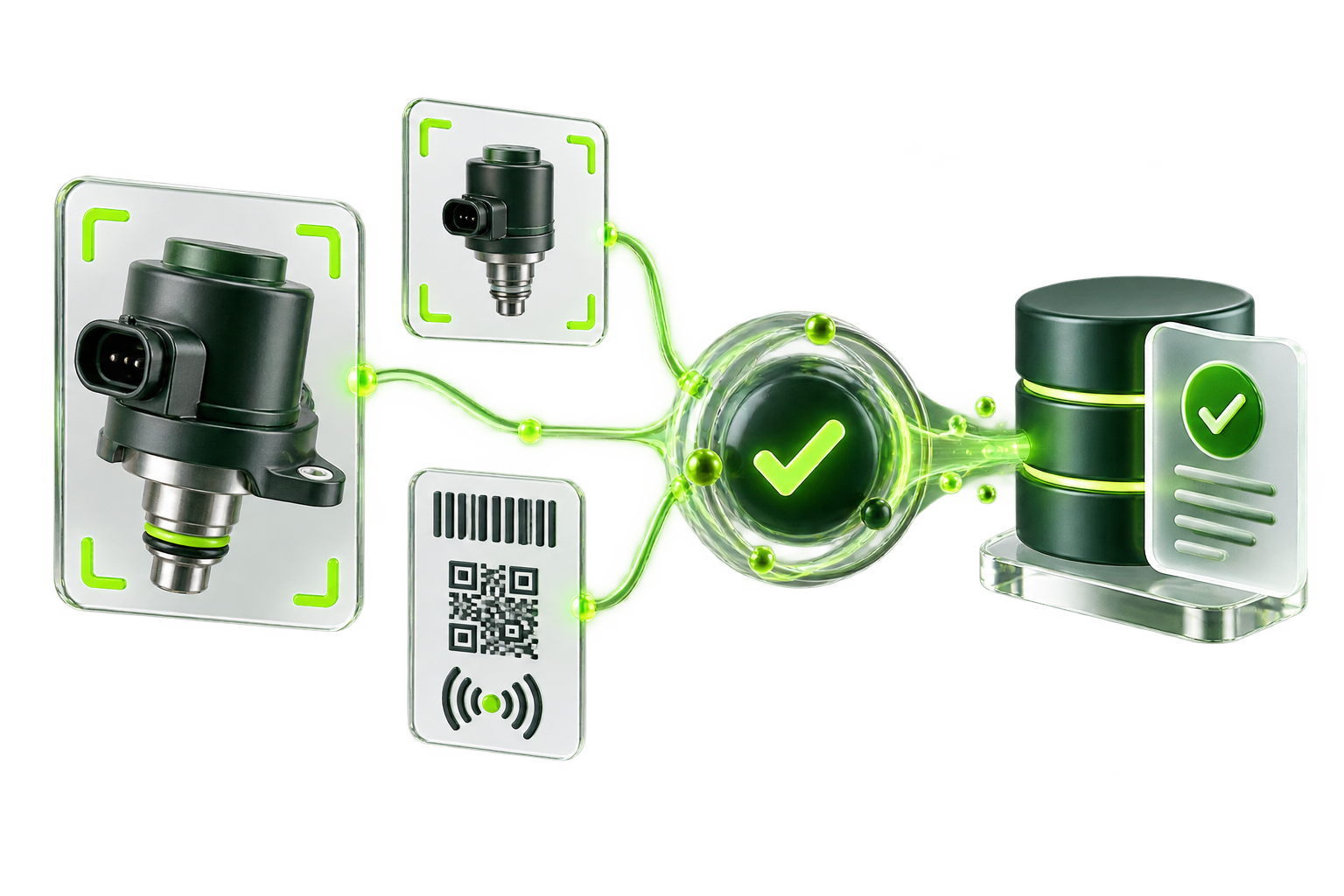
Product data, OCR output, visual similarity and existing records can each contribute evidence. The system should show which signal led to a suggestion instead of presenting a black-box answer.
A reference alone is not always sufficient to identify a product or document correctly. Systems can bring together identifiers, images, attributes and source context so that similarity is assessed through more than one signal.
The value is in making a possible match explainable. Operators should be able to see why records were connected and where the evidence remains too weak for an automatic conclusion.
03 — INTEGRATIONS
Connect work without replacing every tool.
Integrations are designed around the data that must move, the event that triggers it and the person accountable for exceptions.
Useful operational systems respect the tools that teams already depend on. The work is often to establish a clearer hand-off between them: a shared record, a defined event or a controlled integration rather than a wholesale replacement.
That approach keeps implementation proportional. It lets a workflow improve where it is currently breaking, while leaving stable parts of the operating environment intact.

04 — CONTROL
Make exceptions visible to the people who own them.
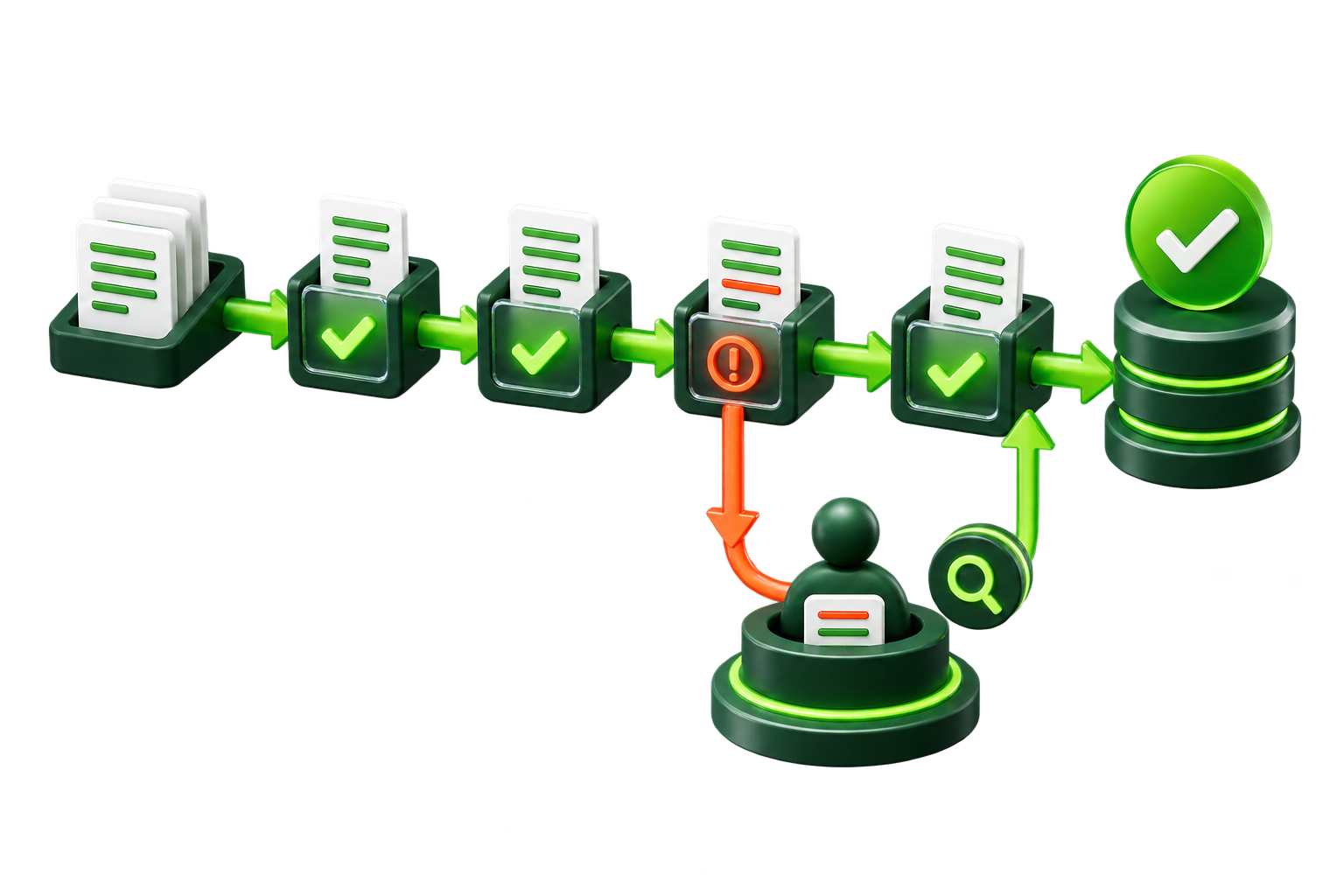
Dashboards and review queues let teams see what was decided, what failed and what needs attention.
An operational flow is not reliable because it has no exceptions; it is reliable because exceptions can be found, understood and resolved by the people responsible for the work.
Clear states, evidence links and review points make it possible to route uncertainty to the right person. This creates a system that supports accountability instead of hiding it behind automation.
WORK WITH LSG LABS